


Four weird tanks + Challenger 2 review
Welcome to a different type of blog this week.
Before I launch in, we've had not one but two COBI deliveries arrive this week - see below for what's new and grab one before they sell out!
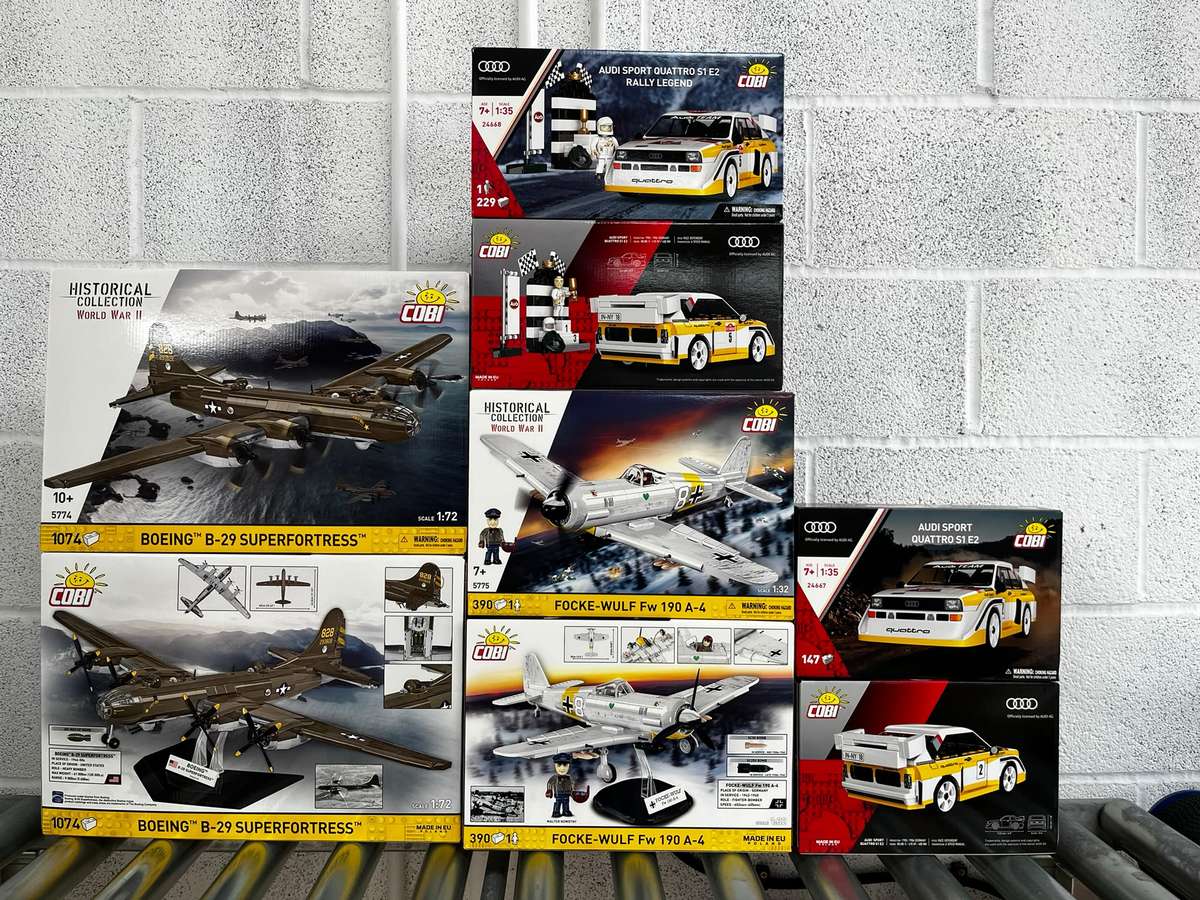
Second delivery
New releases plus a restock of the new Focke Wulf which sold out on arrival yesterday.
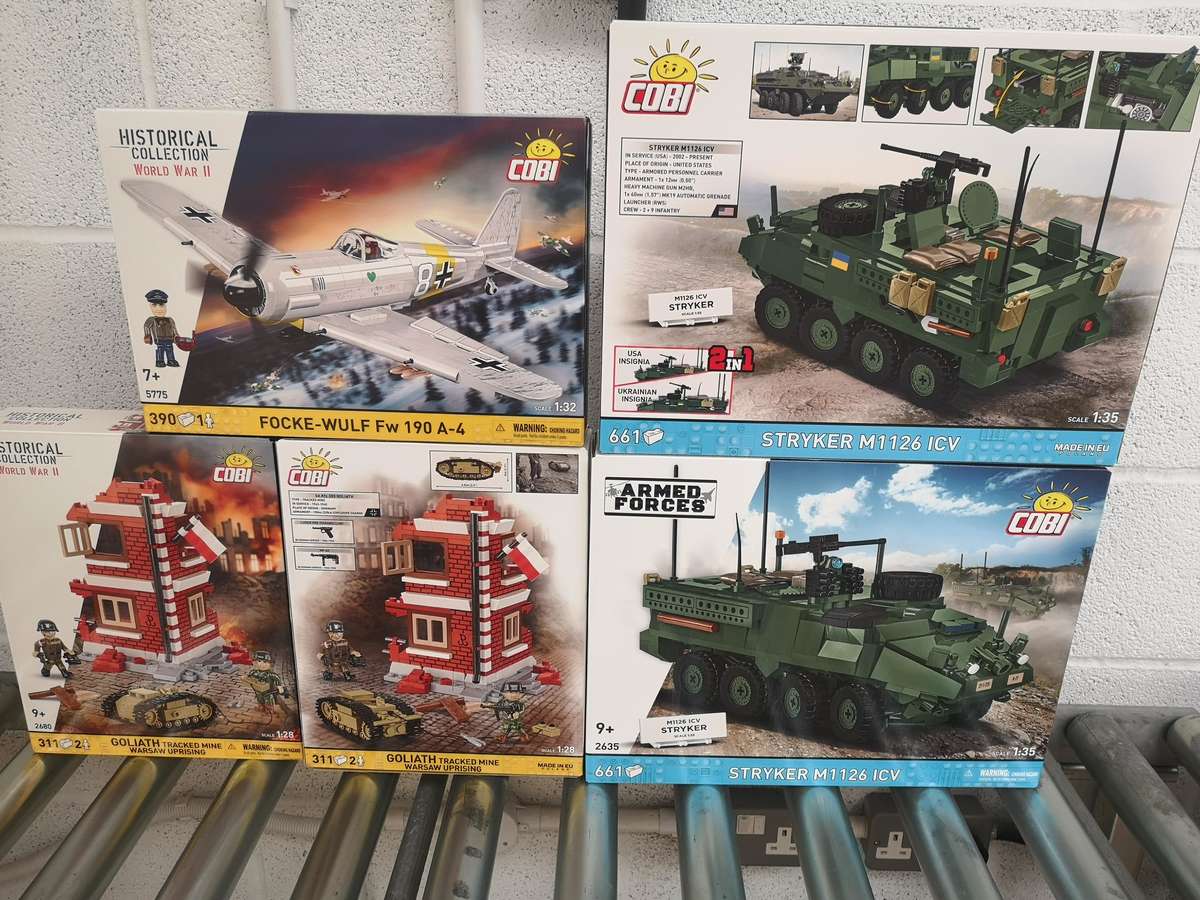
Supporting Young Writers with a Passion for Military History
A few months ago, I was contacted by Peter Hopkins, a teacher from a local Somerset school, who requested a brick model set for a student to review in their school magazine. He sent me an example of a previous edition, and I was impressed by the quality of the writing and content, so we donated a set.
After the Challenger II review had been published, Pete kindly sent me a link so I could read it online. While I was there, I had a browse through some of the many other articles in the magazine, and one in particular jumped out at me—it made me laugh out loud, and I felt our community would enjoy it too.
So, with permission, I’m sharing both the Challenger II review and the entertaining feature about weird tanks.
Huge thanks to Peter Hopkins, editor of The Quill student magazine at Wadham School, Crewkerne, Somerset, as well as the student writers, who are named below, for allowing us to share their articles here.
Have a good weekend.
Zoë
Four weird tanks that make you say, 'What the hell were they thinking?' by Jonathan Margetts
The tank, as we know it, revolutionised modern warfare. When the first Mark I tanks rolled across the trenches during the Battle of Flers – Courcelette in 1916, the face of battle changed forever. No longer could armies rely solely on waves of infantry; mechanised warfare had arrived, and with it, the promise of unstoppable battlefield engineering. But as history repeatedly proves, even the most solid and sensible ideas can be pushed into absolute absurdity.
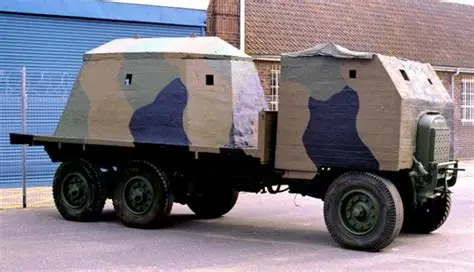
1. The Bison Lorry – Britain’s Rolling Concrete Nightmare
In 1940, Britain faced the very real threat of invasion. With much of its army deployed abroad, the Home Guard needed defensive positions fast. Steel was in short supply, so British manufacturers, including British Leyland, were tasked with improvising. What they produced was the infamous Bison Lorry.
The idea sounded simple enough: if pillboxes and concrete bunkers could withstand artillery fire, why not mount one on the back of a lorry? In practice, it was a disaster. Production began with little testing, resulting in vehicles so heavy that many couldn't move at all. Engines failed under the immense weight of concrete, chassis cracked under strain, and even the wheels struggled to cope. Those that did manage to move were painfully inefficient, guzzling fuel as they crawled along like reluctant mobile bunkers.
In the end, many Bison Lorries never saw combat. Instead, they were parked at airfields and strategic sites as little more than static deterrents —essentially concrete boxes on wheels, intended to intimidate any potential invader into believing Britain was simply too eccentric to conquer.
2. The DD Sherman – a Tank that tried to swim
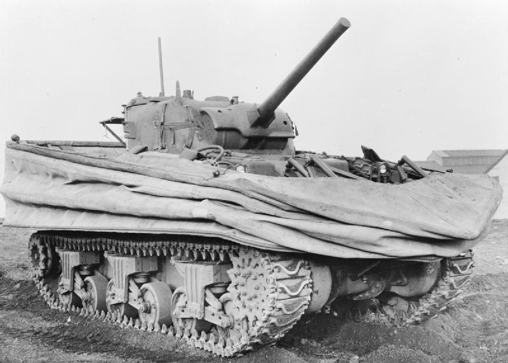
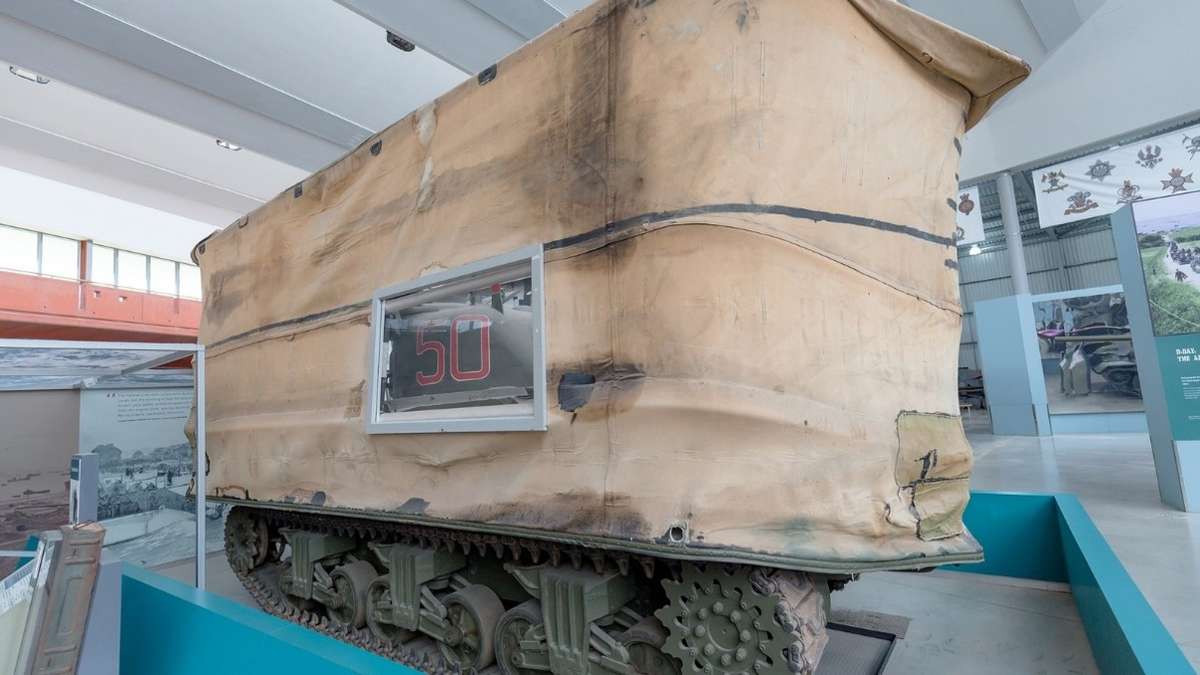
The American M4 Sherman tank was one of the most successful armoured vehicles of the Second World War —reliable, adaptable, and widely produced. But its amphibious cousin, the DD (Duplex Drive) Sherman, was a very
different story. Designed to support the D - Day landings, the DD Sherman
was fitted with a collapsible canvas flotation screen that allowed it to "swim" ashore.
In theory, it was a brilliant idea. In practice, it depended heavily on calm seas. On 6 June 1944, the English Channel was anything but calm. Many DD Shermans were launched too far from shore or overwhelmed by rough waves, causing them to sink before ever reaching land. Others drifted off course, landing far from their intended targets, where they became easy targets for enemy fire. A handful did reach the beaches and support the infantry, leading commanders to describe the
operation as a 'relative success'. History, however, is less generous.
3. The L3 Flamethrower Tankette – Italy’s pocket-sized inferno
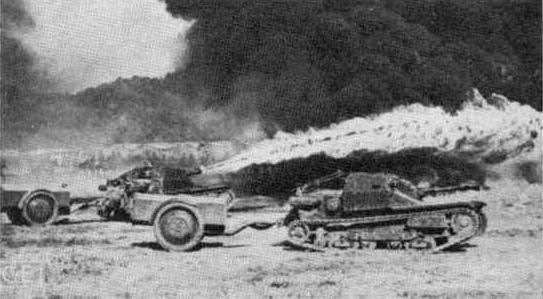
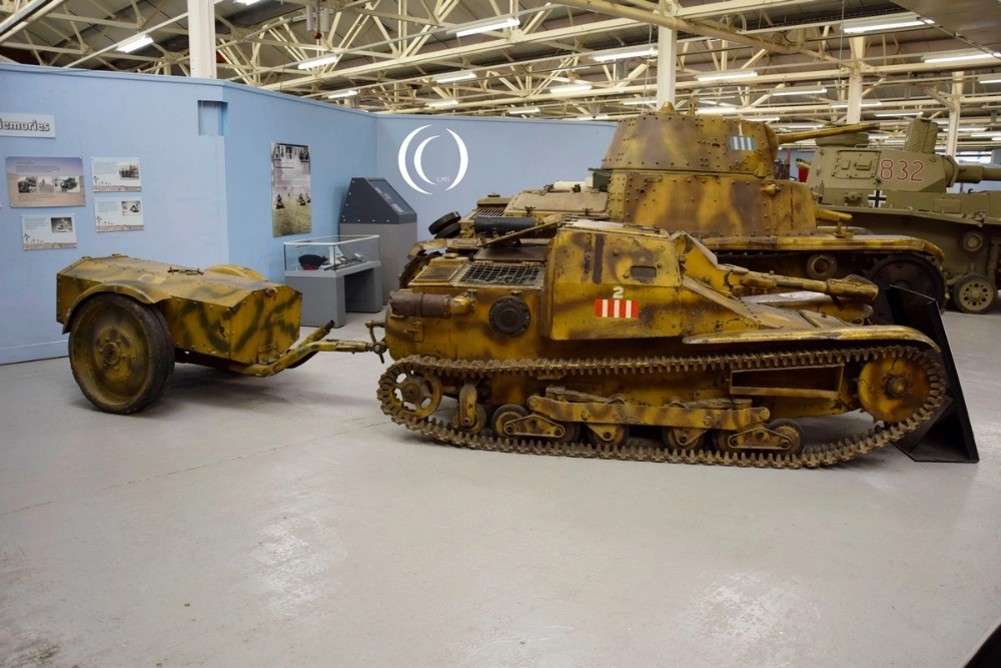
Italy's contribution to armoured warfare includes one of the strangest designs of the era: the L3 Flamethrower Tankette.
Small, lightly armoured, and operated by just two crew members, the L3 was already underwhelming before it was even modified. The driver had to lie prone to steer it, making comfort and visibility secondary considerations at best. Then someone added a flamethrower.
To keep the weapon supplied with fuel, the tank pulled a separate fuel trailer behind it via a hose. This meant that a single well - placed bullet could ignite the entire system, turning the vehicle into a rolling fire hazard. Worse still, enemies quickly realised that disabling the tank could be as simple as detaching its fuel
supply. The design saw limited use in Ethiopia and North Africa before even its operators had to admit the obvious: it was not exactly a masterstroke of military engineering.
4. The Jagdtiger – Germany’s overengineered monster
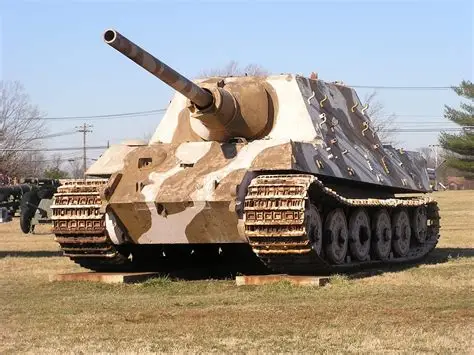
By the final stages of the Second World War, Nazi Germany was increasingly fixated on producing so-called 'super weapons'. One of the most extreme examples was the Jagdtiger, a 75-ton tank destroyer designed to dominate the battlefield through sheer firepower and armour. In theory, it was terrifying. In reality, it was unwieldy, impractical, and deeply flawed.
It used the same engine as the far lighter Tiger II, leaving it under-powered for its enormous weight. Its fuel consumption was extreme, and anything more than flat terrain could slow it to a crawl. Its massive gun fired unique ammunition that was difficult to supply, creating constant logistical headaches. Even when it
worked as intended, the Jagdtiger often struggled with mobility, fuel shortages, and ammunition resupply—three rather important qualities for a fighting vehicle.
Ultimately, it became less a battlefield advantage and more a mobile burden on Germany's already stretched resources.
Final Thoughts
From concrete lorries to swimming tanks and flamethrower-equipped mini armour, military history is full of ideas that sound brilliant on paper and questionable in reality. The tank changed warfare forever—but as these examples show, innovation doesn't always mean success. Sometimes, it just means someone in a planning office said, "Yes, that definitely works", without quite thinking it through.
COBI Challenger 2 brick model review
By Henry Hopwood
By Henry Hopwood
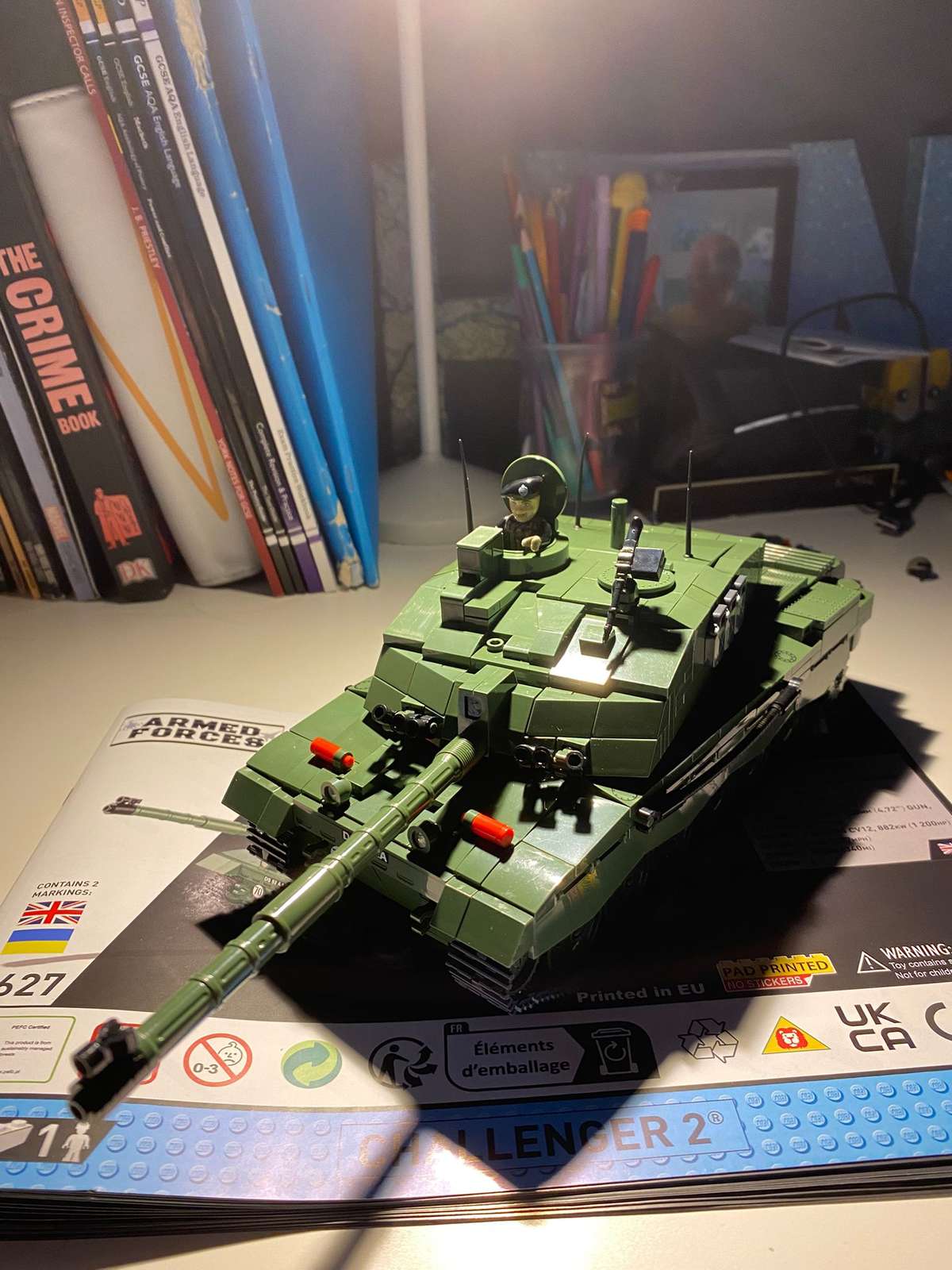
The COBI Challenger 2 is a really strong and detailed representation of a modern British tank. From the moment it's finished, it looks impressive and feels like a proper display piece rather than just a model kit. It captures the design of the real Challenger 2 very well, especially for a brick-built set.
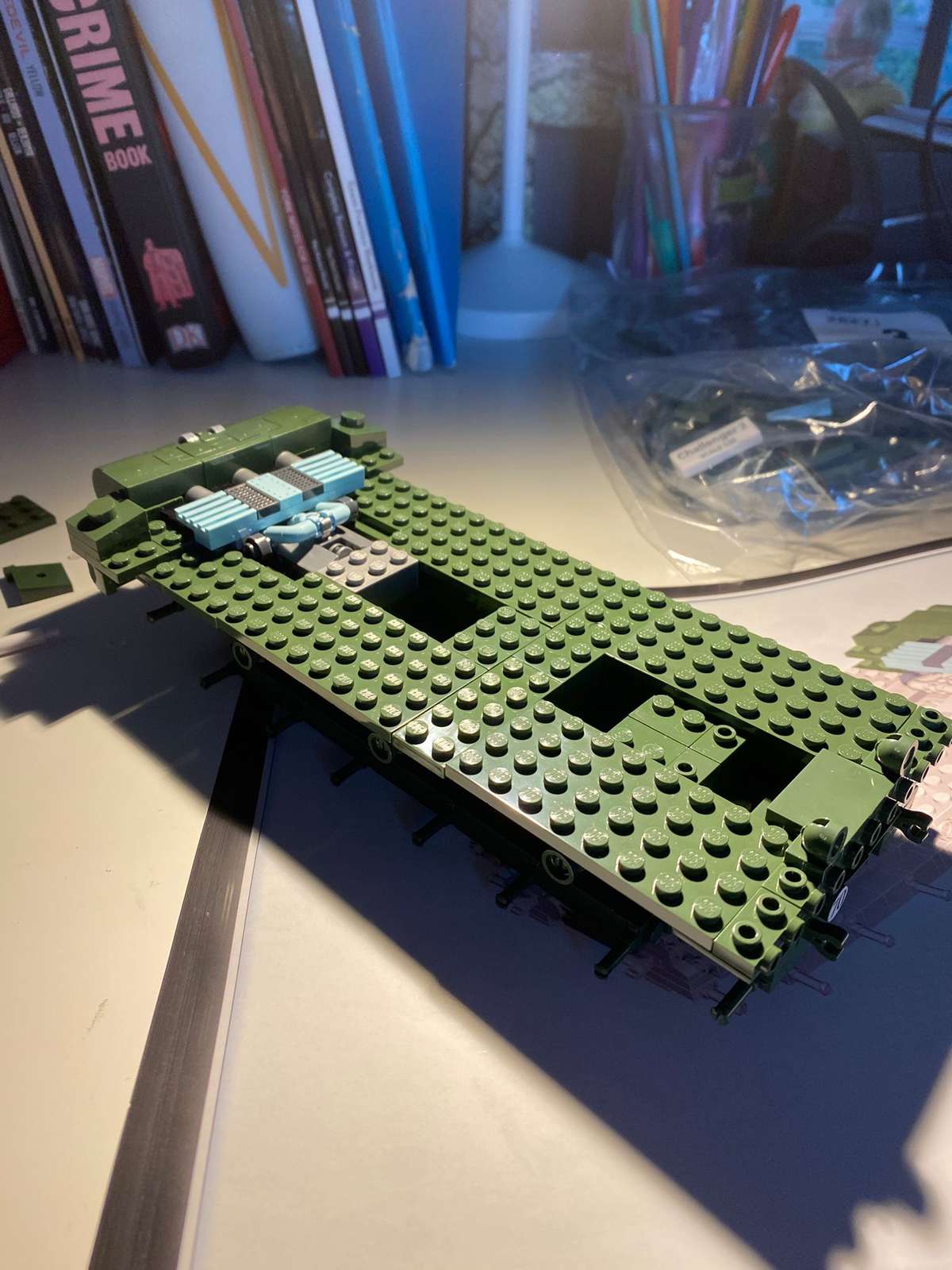
The build itself is fairly complex and took around 5 hours to complete, but it was worth the time and effort. There are quite a few steps and smaller sections to put together, so it can feel a bit challenging in places, but nothing felt impossible or frustrating enough to ruin the experience. Once everything comes together, the structure feels very solid and well-designed. One of the best parts of the build is how sturdy it feels when finished. It doesn't fall apart easily, and it holds its shape really well, which makes it great for display or even moving around the room without worrying too much.
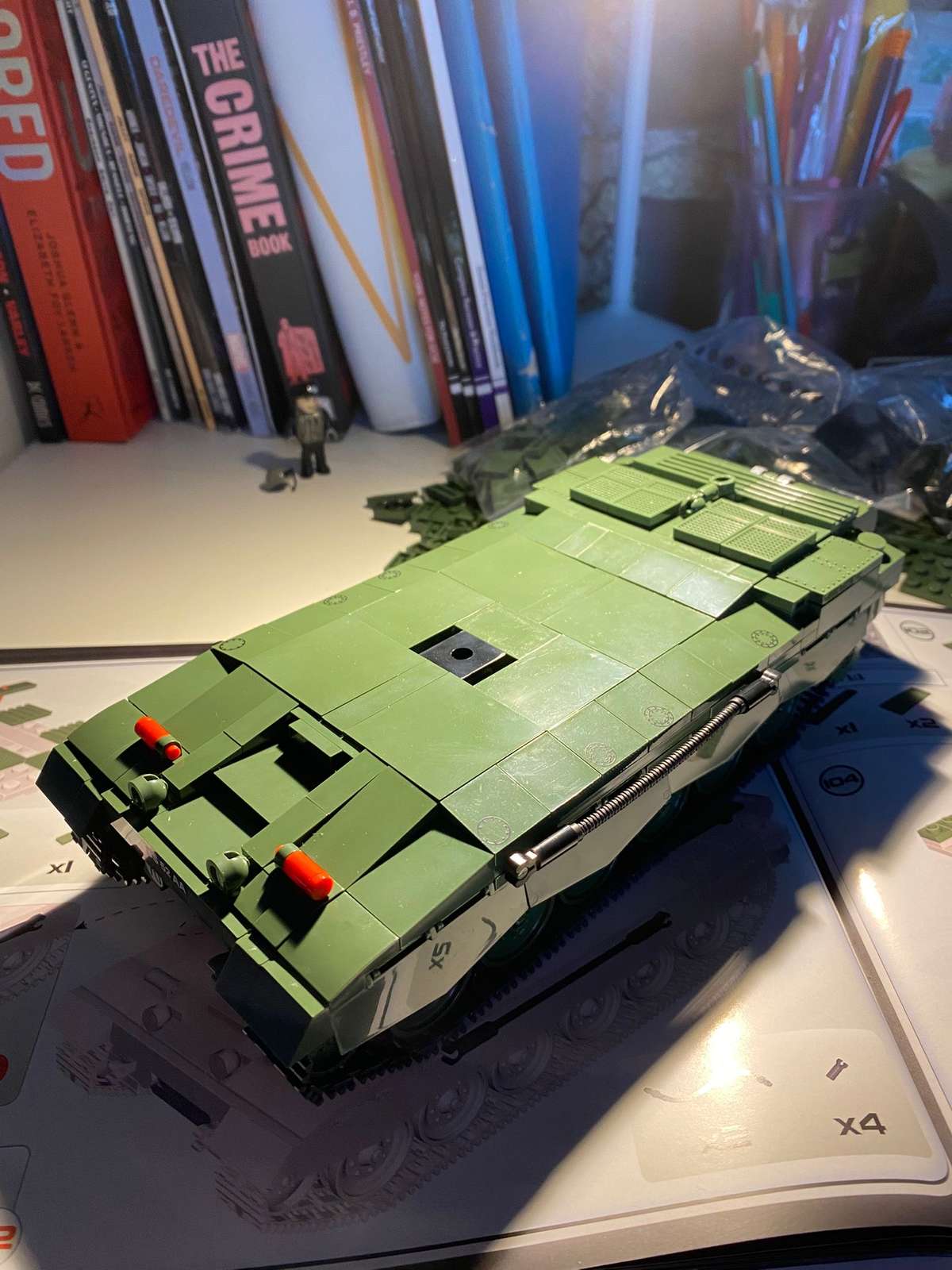
Now that it's built, it works really well as a
room decoration and definitely stands out on a shelf. The brick quality is also very good and feels comparable to LEGO in terms of durability and fit. The pieces connect tightly, and the overall build experience feels smooth and satisfying.
The colour scheme and design are also very accurate, giving it a realistic
military look that matches the real-life Challenger 2 tank closely.
Another nice detail is the included minifigure, which fits well into the tank
and adds extra character to the model. It's a small touch, but it helps bring
the whole build together and makes it feel more complete.
room decoration and definitely stands out on a shelf. The brick quality is also very good and feels comparable to LEGO in terms of durability and fit. The pieces connect tightly, and the overall build experience feels smooth and satisfying.
The colour scheme and design are also very accurate, giving it a realistic
military look that matches the real-life Challenger 2 tank closely.
Another nice detail is the included minifigure, which fits well into the tank
and adds extra character to the model. It's a small touch, but it helps bring
the whole build together and makes it feel more complete.
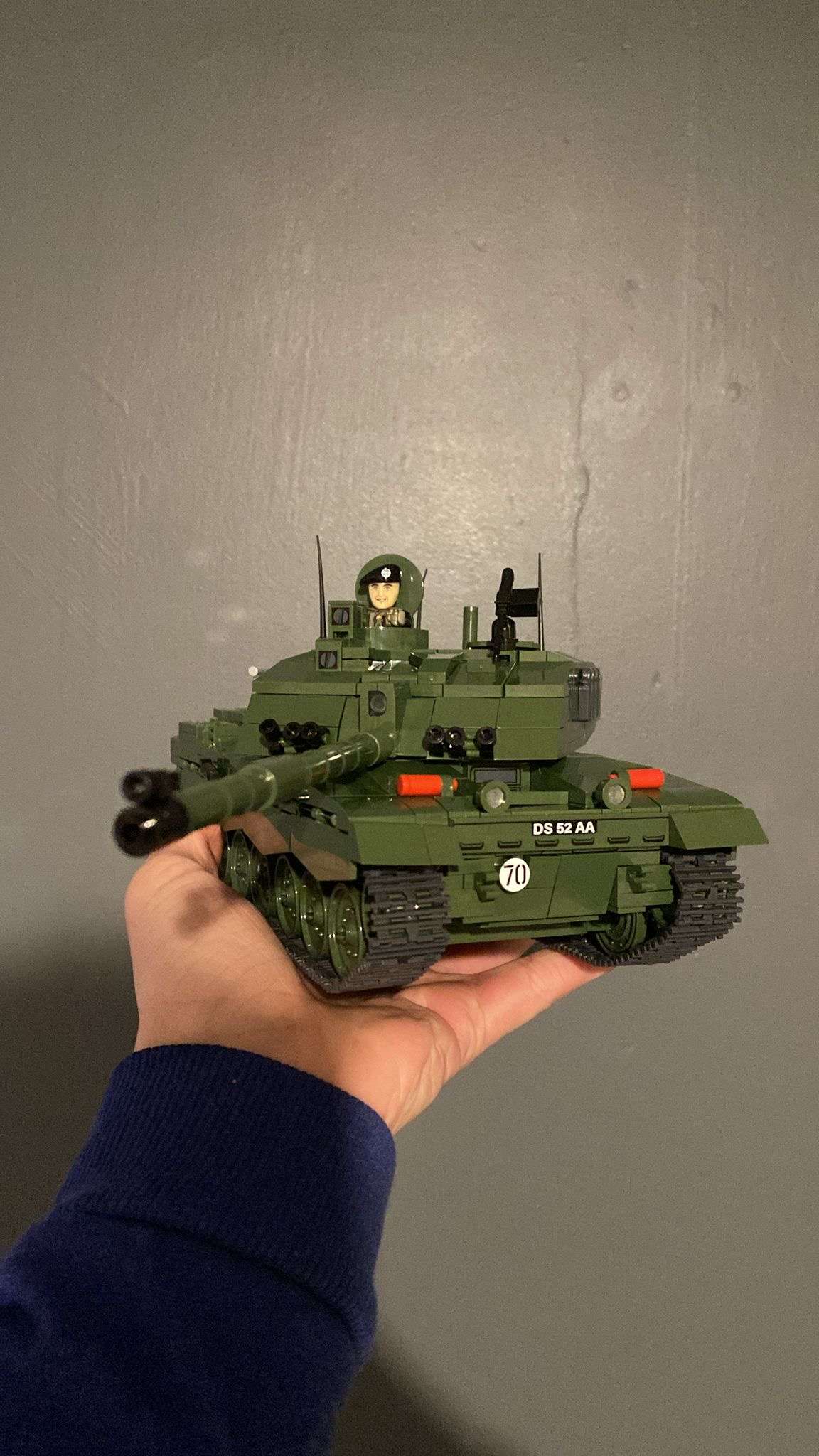
Overall, this is a great build for anyone interested in armoured vehicles or modern military history, especially British tanks. It's detailed, sturdy, and rewarding to complete, even if it takes a bit of time and patience. I would definitely recommend it to builders who enjoy more complex and realistic models.