


Against the Odds: Fairey Swordfish vs Bismarck
Welcome to this week’s blog.
I’ve been especially looking forward to this week's Model of the Month feature on COBI’s highly anticipated Fairey Swordfish models (Standard and Executive Editions), which are due for release early next week.
Our latest order has already been submitted and is simply waiting for the Swordfish sets to be added before dispatch, so there’s thankfully not much longer to wait. Alongside the new Swordfish models, we also have several exciting new releases arriving soon — details can be found below.
As always, thank you for your continued support, and I hope you enjoy this week’s update.
Have a wonderful weekend.
Warmest wishes,
Zoë
Due to ship from Poland early next week
Expected to arrive in UK stock before the end of May.
Brick Model of the Month: Fairey Swordfish
Operation Rheinübung Begins
At the end of this month, the world marks the 85th anniversary of the sinking of the German battleship Bismarck, one of the most dramatic naval events of the Second World War. The story remains a powerful example of courage, determination, and tactical innovation at sea.
During Operation Rheinübung in May 1941, Bismarck threatened Allied shipping and British morale after sinking HMS Hood only days earlier. Britain’s response relied not on the latest technology or overwhelming firepower, but on the ageing yet remarkably effective Fairey Swordfish.
The “Stringbag” Biplane
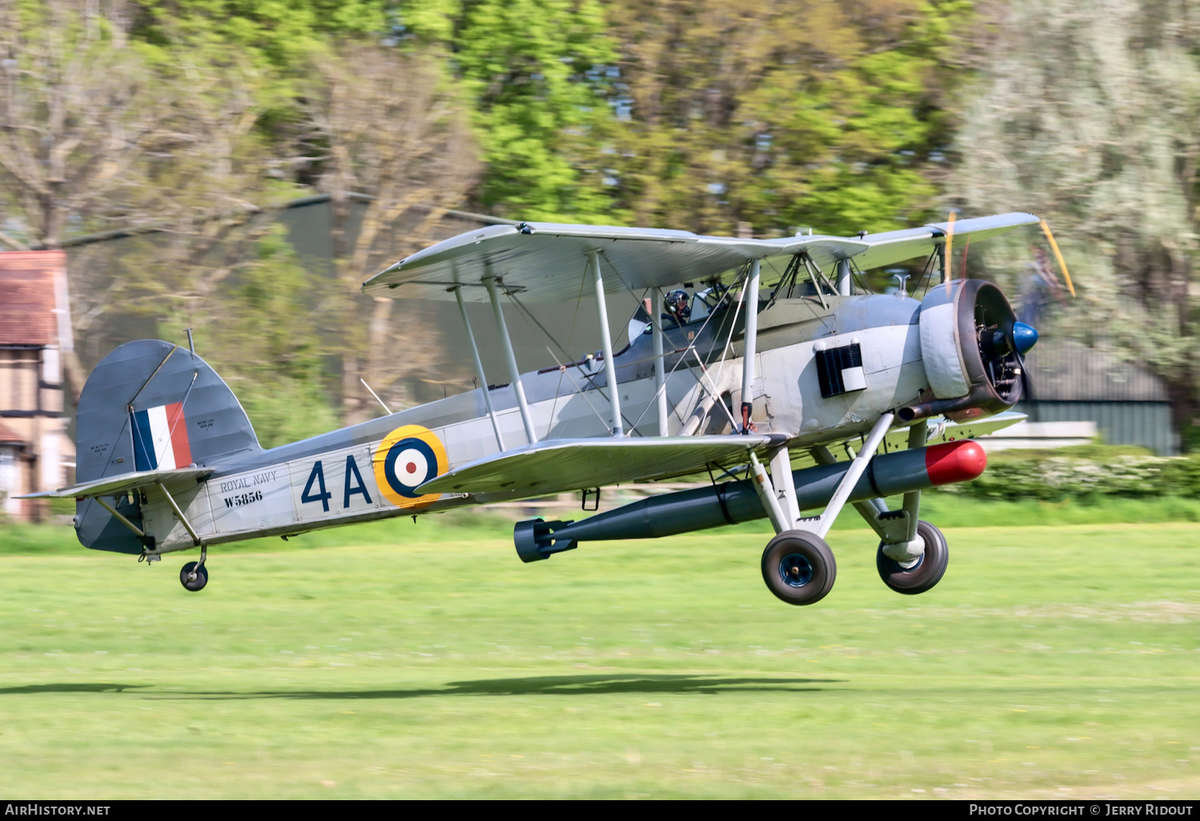
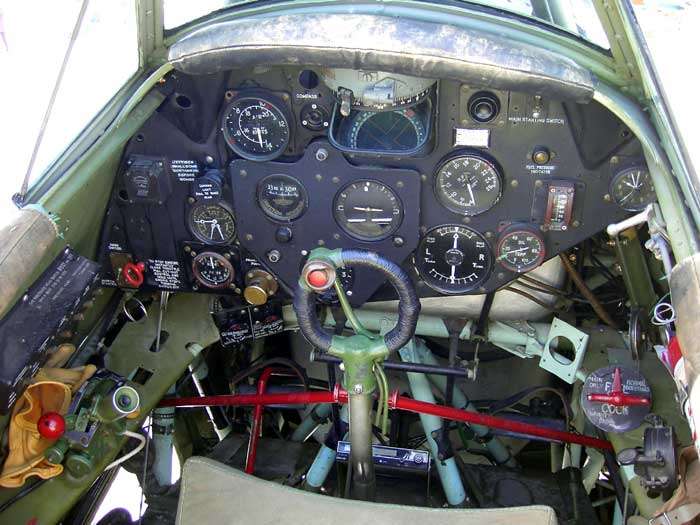
Nicknamed the “Stringbag”, the Swordfish looked hopelessly outdated in 1941. It was a slow, fabric-covered biplane with an open cockpit, appearing more suited to the First World War than modern naval combat. Yet appearances proved deceptive. The aircraft’s reliability, excellent low-speed handling, and ability to operate from aircraft carriers made it invaluable to the Royal Navy’s Fleet Air Arm.
Ironically, the Swordfish’s greatest advantage was its slowness. German anti-aircraft gunners struggled to accurately track aircraft moving at such low speeds, while the biplane’s steady handling allowed pilots to line up precise torpedo attacks in rough seas.
The Hunt for Bismarck
Following the destruction of HMS Hood on 24 May, the Royal Navy launched a vast pursuit across the Atlantic. Battleships, cruisers, destroyers, and aircraft scoured the ocean in an urgent attempt to intercept Bismarck before she could reach the safety of occupied France. The loss of Hood, one of Britain’s most famous warships, shocked the nation and intensified the determination to destroy the German battleship at all costs.
The Attack of 26 May 1941
On the evening of 26 May, Swordfish aircraft from HMS Ark Royal were ordered to attack. The conditions were appalling. Gale-force winds battered the fragile aircraft while rain and low cloud reduced visibility. Flying at low altitude in open cockpits, the crews faced not only the Atlantic weather but also the intense anti-aircraft fire of one of the world’s most powerful battleships.
Despite their antiquated appearance, the Swordfish crews pressed home the assault with extraordinary courage. Some of the Swordfish flew so low that most of Bismarck's flak weapons could not depress enough to hit them. One torpedo struck Bismarck near her stern, jamming the ship’s rudders. The damage proved catastrophic. Unable to steer effectively, Bismarck could no longer escape towards France and instead circled helplessly in the Atlantic.
On board the German battleship, desperate efforts to free the rudders failed as the crew realised the ship’s fate was rapidly being sealed.
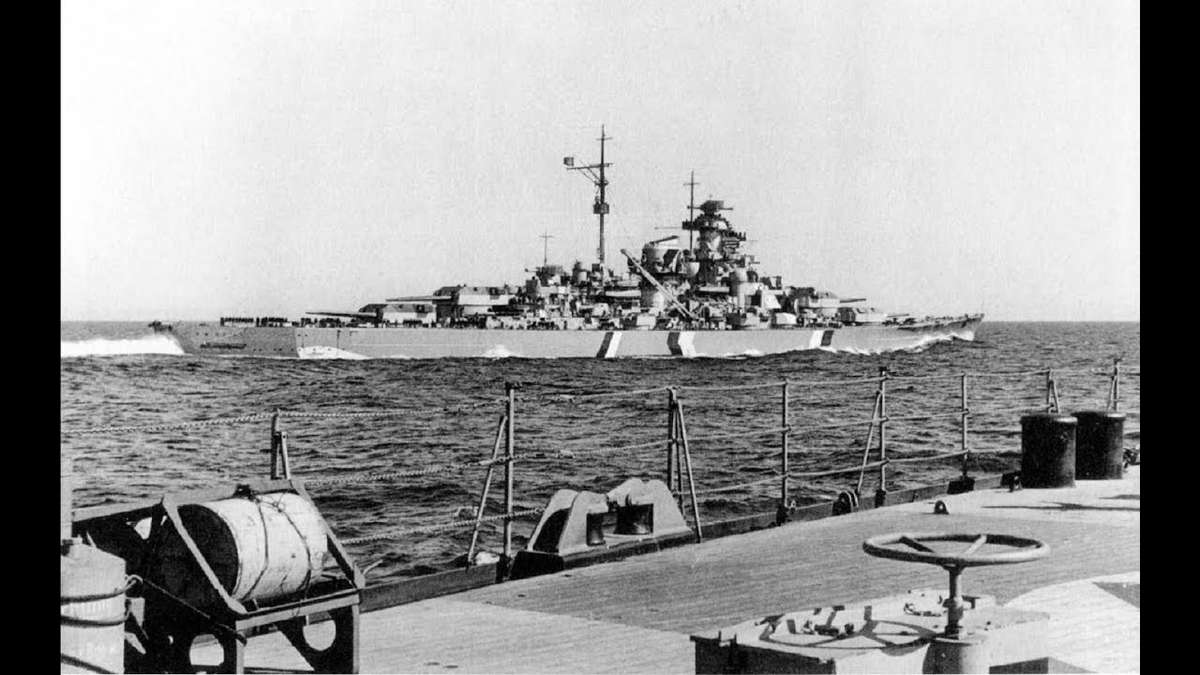
After the Swordfish attack jammed Bismarck’s rudder, Admiral Günther Lütjens signalled German command:
“Ship unmanoeuvrable. We shall fight to the last shell. Long live the Führer.”
The End of Bismarck
That single torpedo hit changed the course of the battle. During the night and into the morning of 27 May 1941, Royal Navy forces closed in. British battleships eventually overwhelmed and sank Bismarck after a fierce engagement, ending one of the most famous naval hunts in history.
The attack demonstrated that determination, training, and tactical innovation could overcome seemingly superior technology. The elderly Swordfish had achieved what powerful warships alone could not: crippling one of Germany’s most feared naval weapons.
The Swordfish Legacy
The Swordfish’s success against Bismarck was not an isolated achievement. The aircraft had already played a major role in the attack on the Italian fleet at Taranto in 1940 and later proved highly effective in anti-submarine warfare and convoy escort duties.
Though obsolete in appearance, the Fairey Swordfish earned a legendary reputation through reliability, bravery, and remarkable effectiveness in combat. Eighty-five years after the sinking of Bismarck, the story of the Swordfish remains one of the greatest examples of naval aviation changing the course of history.
Want to see the real thing?
If you want to see a surviving Fairey Swordfish today then the Fleet Air Arm Museum at Yeovilton in Somerset is probably the definitive place to experience the Swordfish story. It has a beautifully preserved Swordfish Mk II on display and extensive exhibits covering naval aviation, HMS Ark Royal, and the attack on Bismarck.
The museum is also running “Spirit of the Swordfish” events during half term at the end of May, featuring talks and historical demonstrations focused on the aircraft and its crews.
Airworthy Swordfish
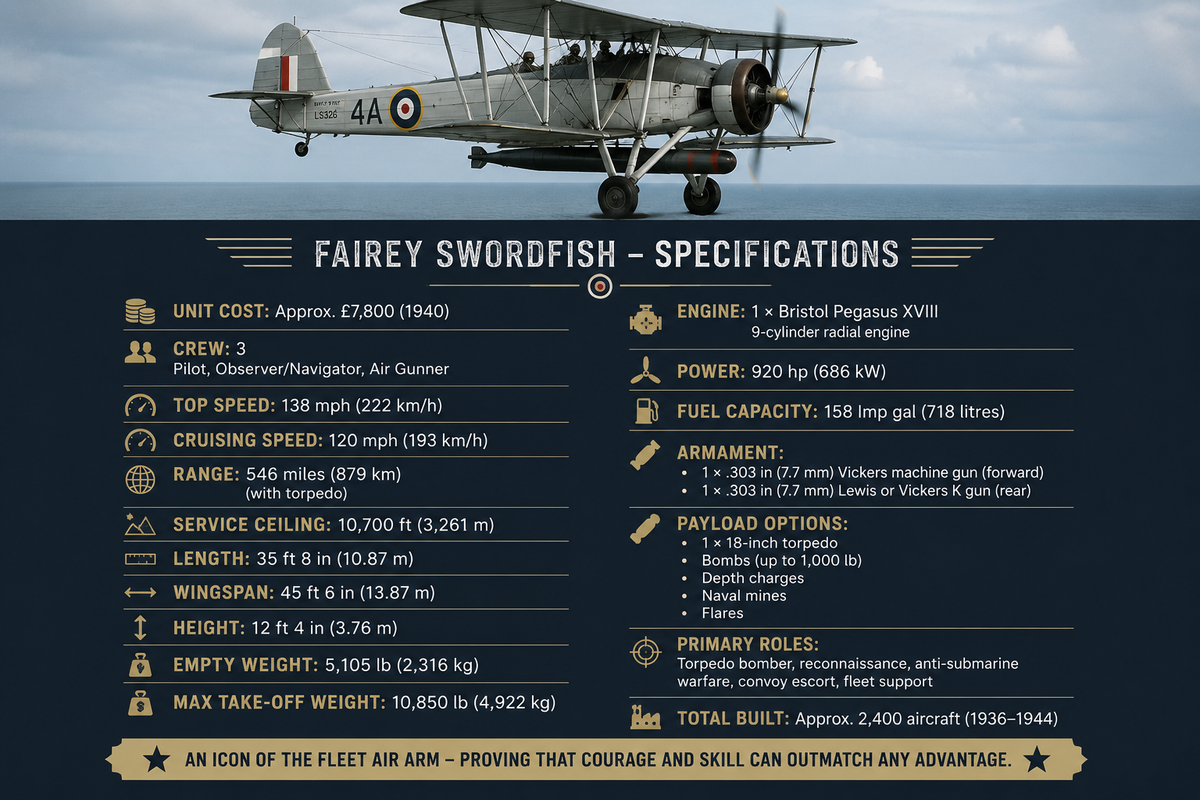
A small number of Swordfish aircraft are still airworthy thanks to the charity Navy Wings, also based in Somerset. Aircraft such as LS326 and W5856 occasionally appear at British airshows and commemorative events.
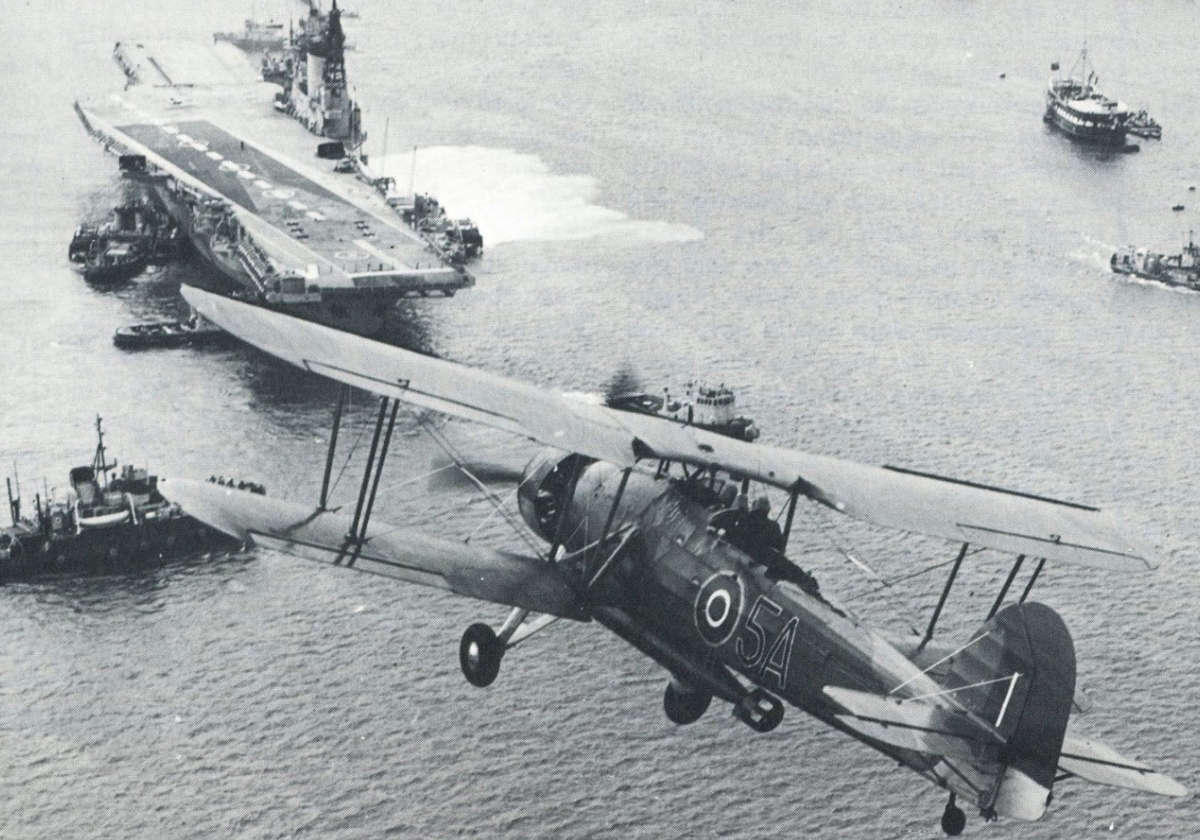
Interesting Fact
Despite being considered obsolete by the early years of the Second World War, the Swordfish sank a greater tonnage of Axis shipping than any other Allied naval aircraft during the conflict.
Key Statistics
Type: Carrier-borne torpedo bomber and reconnaissance aircraft
Manufacturer: Fairey Aviation Company
First Flight: 17 April 1934
Entered Service: 1936
Retired from Front-Line Service: 1945
Nickname: “Stringbag”
Operational History
Primary Roles: Torpedo attacks, maritime patrol, anti-submarine warfare, reconnaissance, convoy escort
Major Operations:
Attack on Taranto
Operation Rheinübung
Atlantic convoy protection
Attack on Taranto
Operation Rheinübung
Atlantic convoy protection
Introducing COBI's new 1:32 scale Fairey Swordfish brick plane models
The new COBI Fairey Swordfish is one of the most distinctive British aircraft models COBI has ever produced. Often criticised for over producing German tanks and aircraft, COBI has taken a bold step by releasing this iconic Royal Navy biplane — and it’s exactly the kind of set I know many of you have been hoping to see.
If we want to see more legendary British aircraft added to the range in future, supporting releases like this really matters.
Both the Executive and Standard Editions are scheduled for release early next week, and our shipment is already prepared for dispatch. If you haven’t pre-ordered yours yet, now is the perfect time to act as we can still add more sets if necessary.
We currently expect UK stock to arrive between 26th–29th May.
Don’t miss your chance to add one of the most famous aircraft of the Second World War to your collection.
What are you waiting for?
For more information about the Swordfish
Check out this 17 minute film.
For a deeper dive into Operation Rheinübung
Check out this 1 hour 45 minute film.