

Top Gun 40th Anniversary Special (1986 - 2026)
Hello and welcome to this week's blog.
Before I launch into the main feature, I wanted to say a huge thank you to our amazing customers who called or messaged us this week to alert us to various issues with the website. We (James) has been battling with various website features which had disappeared including wishlist, Panzer Points and pre-order/backorder buttons. At one point the website disappeared completely due to our shopify platform having server issues. It's been a long week but everything should be fixed now - please let us know if not!
Now onto some COBI news.
With the new Top Gun aircraft carrier due in stock next week (8th - 12th) and only a few of those sets still available to pre-order, how could we not feature the 40th Anniversary of the original film with some fun facts. Read on for more.
Have a good weekend.
Warmest wishes,
Before I launch into the main feature, I wanted to say a huge thank you to our amazing customers who called or messaged us this week to alert us to various issues with the website. We (James) has been battling with various website features which had disappeared including wishlist, Panzer Points and pre-order/backorder buttons. At one point the website disappeared completely due to our shopify platform having server issues. It's been a long week but everything should be fixed now - please let us know if not!
Now onto some COBI news.
With the new Top Gun aircraft carrier due in stock next week (8th - 12th) and only a few of those sets still available to pre-order, how could we not feature the 40th Anniversary of the original film with some fun facts. Read on for more.
Have a good weekend.
Warmest wishes,
Zoë
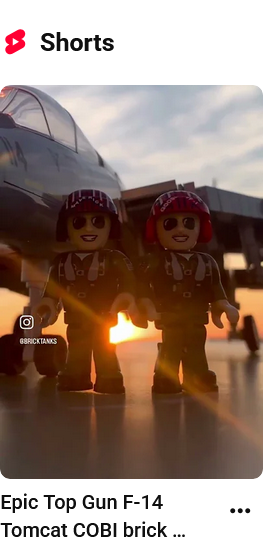
PS. Don't miss our latest YouTube short (link at the end of the blog) for an epic video of the Top Gun F-14 Tomcat in action.
7 surprising facts about the 1986 Top Gun film
Let's face it, few films have left a mark on aviation history quite like Top Gun.
Released in May 1986, the film transformed military aviation into a global phenomenon, turning fighter pilots into household names and introducing millions of people to some of the most iconic aircraft ever built. Forty years later, Top Gun remains one of the most influential aviation films of all time, inspiring generations of pilots, aviation enthusiasts and model collectors.
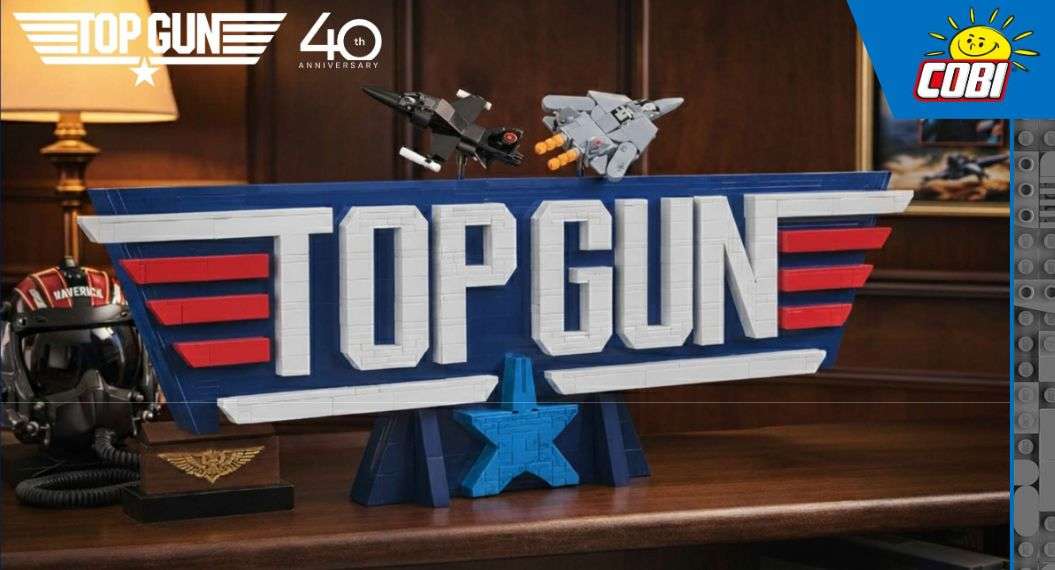
To celebrate the 40th Anniversary of this cinematic classic, we're taking a look at seven surprising facts about the original film and the legendary aircraft that helped make it famous.
1. The U.S. Navy Charged the Studio for Every Minute in the Air
The breathtaking flying scenes that made Top Gun a worldwide success weren't created using CGI.
The filmmakers worked directly with the U.S. Navy, which supplied aircraft, pilots, aircraft carriers and operational support. However, every flight came with a price tag. The production reportedly paid thousands of dollars per hour for the use of F-14 Tomcats, carrier operations and support personnel.
It was money well spent. Even by modern standards, the aerial footage remains spectacular and is one of the reasons the film still feels authentic four decades later.
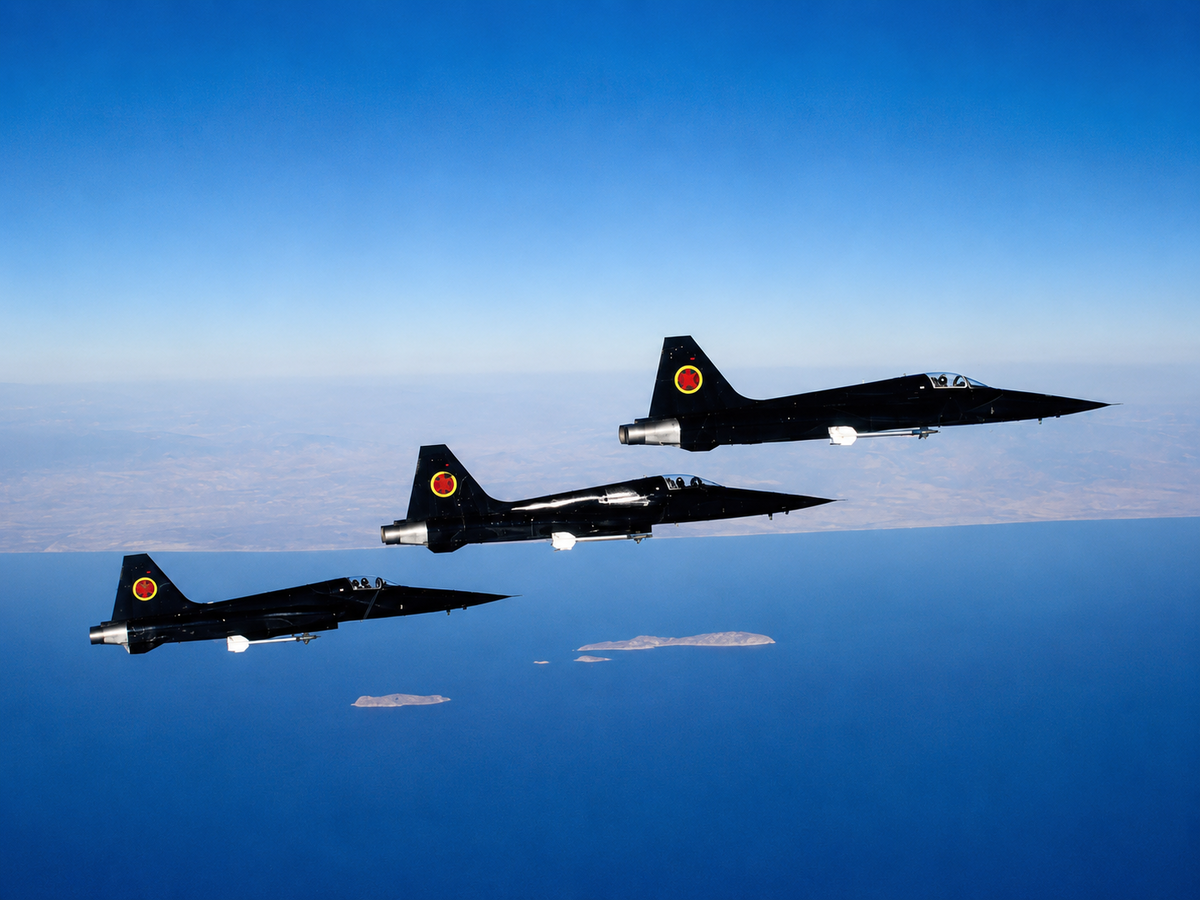
2. The famous MiG-28 wasn't real
One of the most famous enemy aircraft in movie history never actually existed.
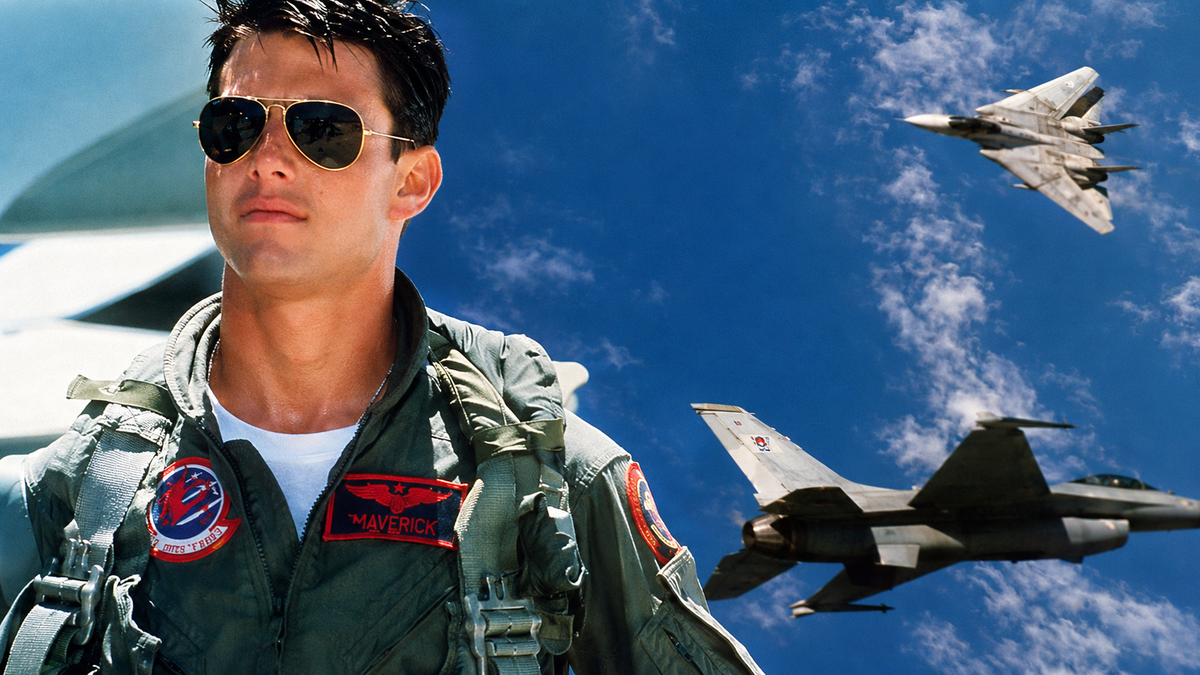
The mysterious MiG-28 flown by the film's adversaries was in reality a Northrop F-5E Tiger II painted black. The F-5's compact size and sleek appearance allowed it to convincingly portray a Soviet fighter aircraft.
To this day, aviation enthusiasts still encounter people who believe the MiG-28 was a genuine Soviet aircraft.
3. TOPGUN was a real school
Many people assume TOPGUN was invented for Hollywood.
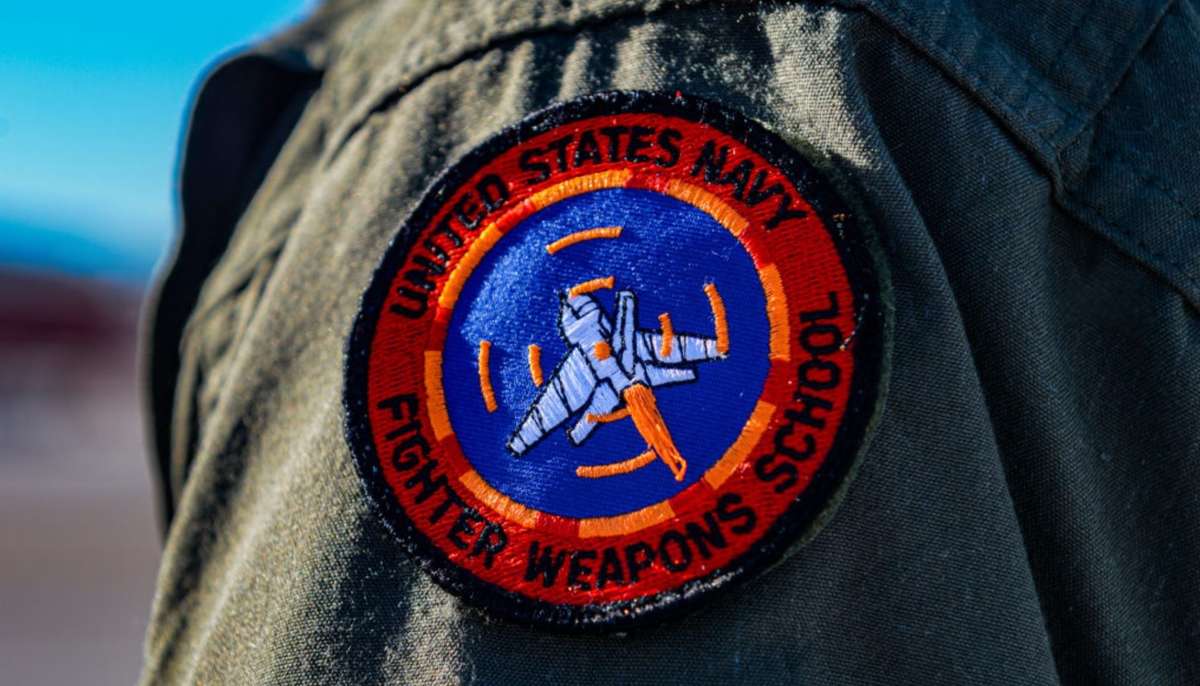
In reality, the United States Navy Fighter Weapons School was established in 1969 following lessons learned during the Vietnam War. Its purpose was to train elite fighter pilots and improve aerial combat tactics.
The film brought the school into the public spotlight, but TOPGUN had already earned a formidable reputation long before Maverick ever climbed into a cockpit.
4. The F-14 Tomcat became a global aviation icon
Tom Cruise may have been the star, but the F-14 Tomcat stole the show.
With its variable-sweep wings, twin engines and unmistakable silhouette, the Tomcat embodied everything audiences loved about military aviation in the 1980s.
Designed to defend aircraft carriers against long-range threats, the F-14 became one of the most recognisable fighter aircraft ever built and remains hugely popular among aviation enthusiasts despite its retirement from U.S. Navy service in 2006.
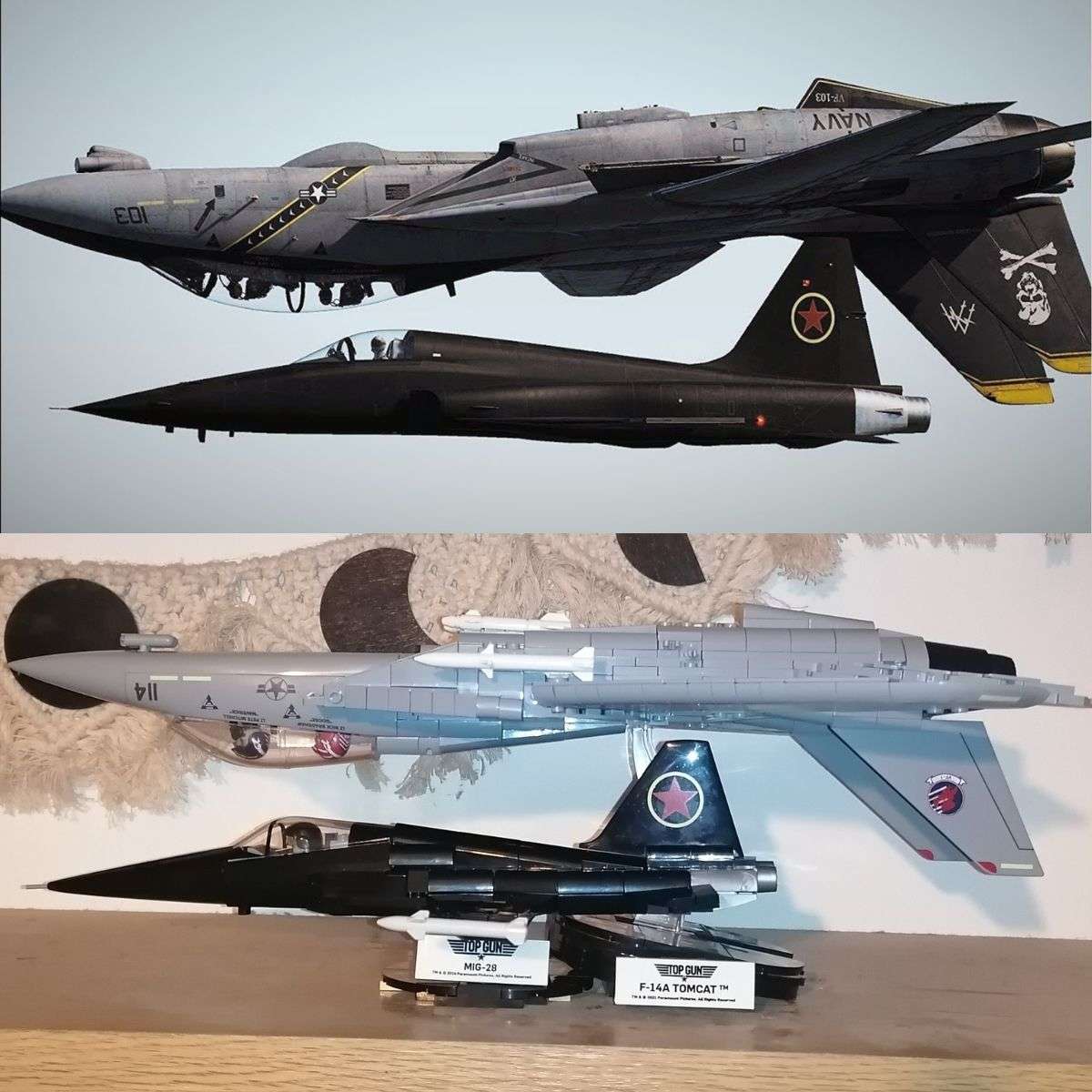
Photo credit: Karl C.
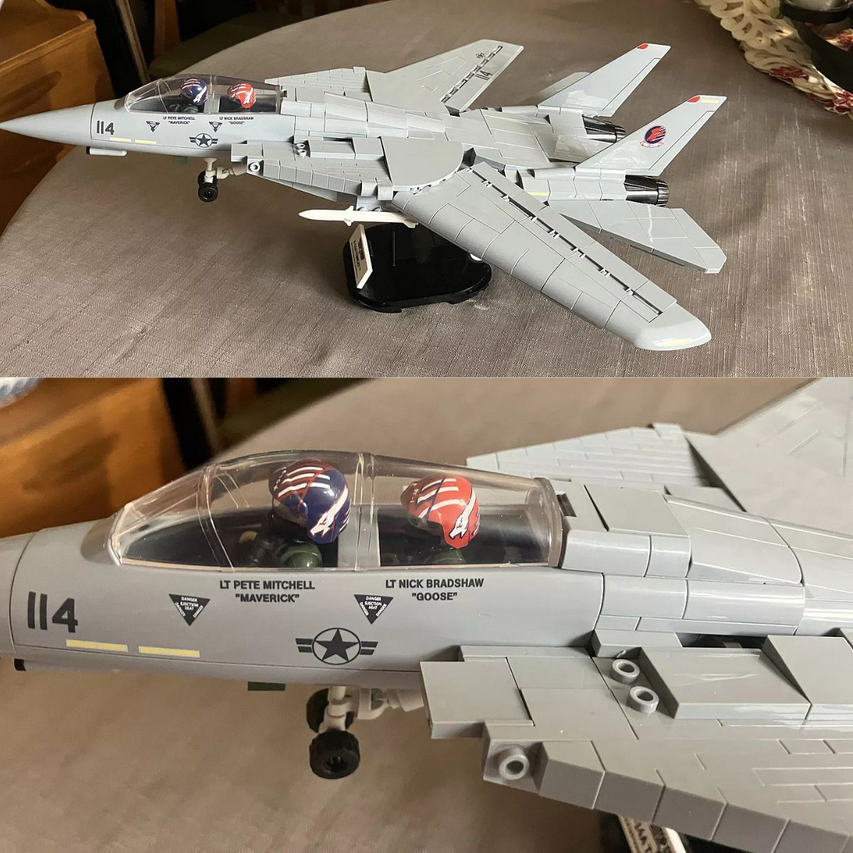
Pictured above: COBI-5811A. Photo credit: Philip M.
5. Top Gun created a recruitment boom
The original film had a real-world impact that few movies can claim.
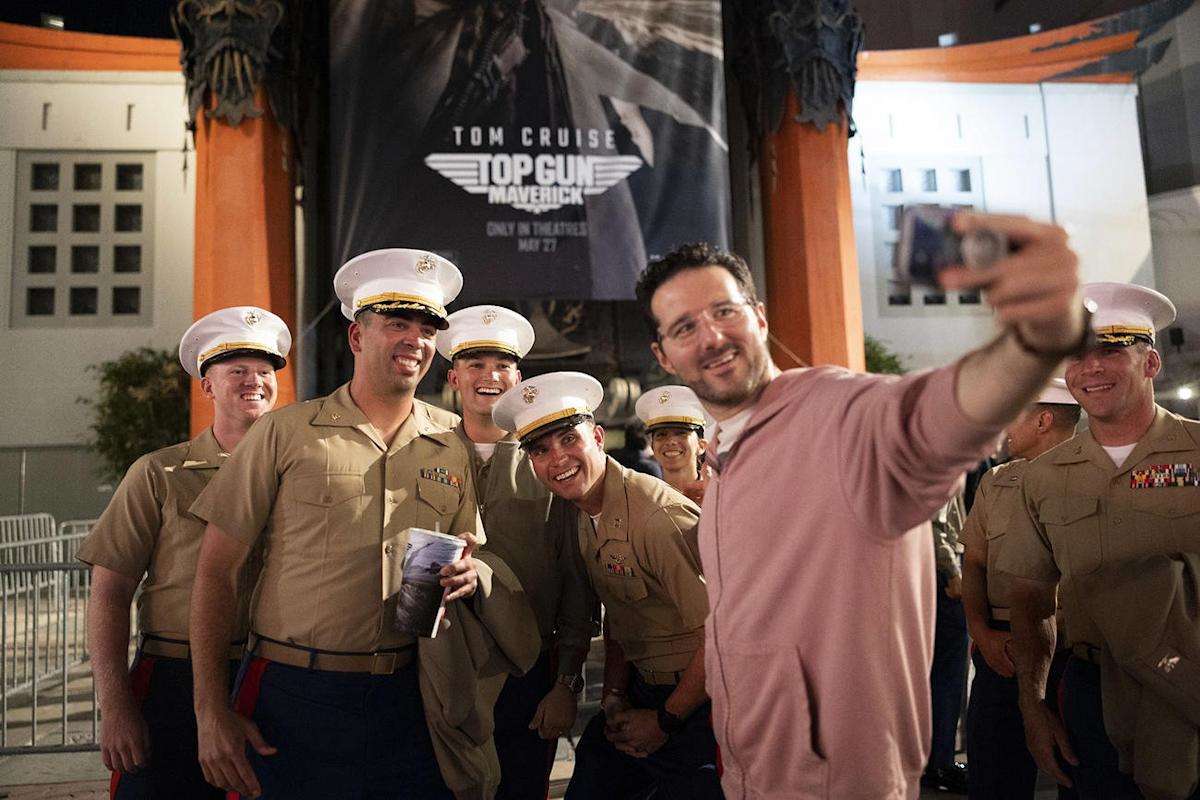
Following its release, the U.S. Navy experienced a significant increase in recruitment inquiries. Young people inspired by Maverick, Goose and Iceman wanted to learn more about becoming naval aviators.
Recruitment booths were even set up outside cinemas screening the film.
The phenomenon became known as the "Top Gun Effect" and remains one of the most famous examples of cinema influencing public perception.
6. Goose's death reflected the real risks of naval aviation
One of the film's most emotional scenes also served as a reminder of the dangers faced by military aviators.
While the accident depicted in the film was fictionalised, high-performance fighter operations carry inherent risks, and ejection-seat incidents have occurred throughout aviation history.
The scene added emotional weight to the story and reinforced that naval aviation is as demanding as it is exhilarating.
7. Top Gun sparked a worldwide passion for aviation
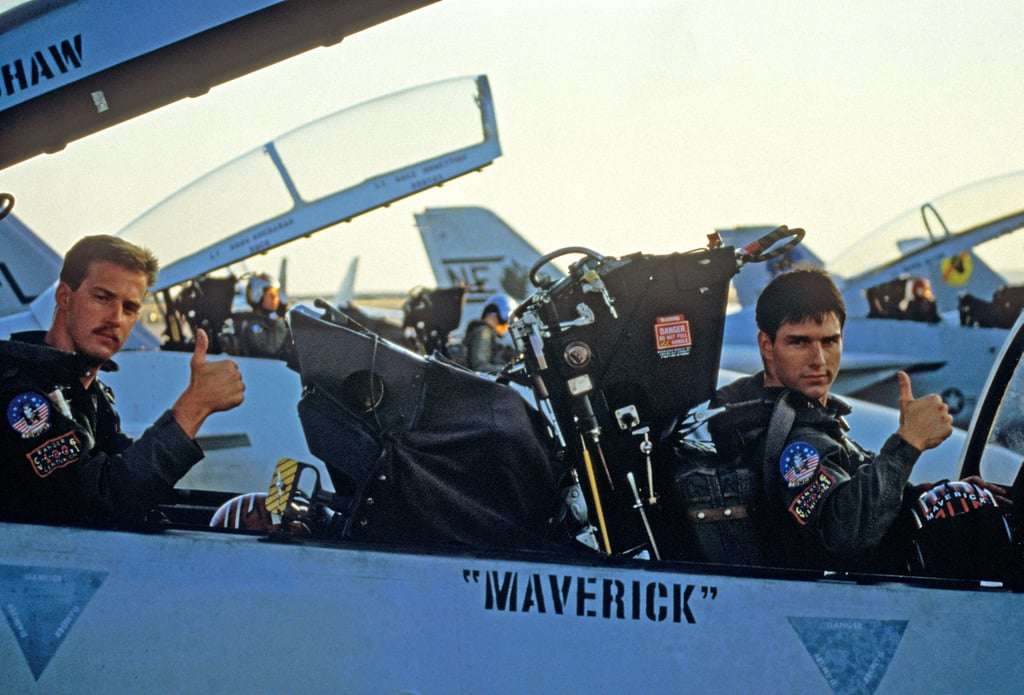
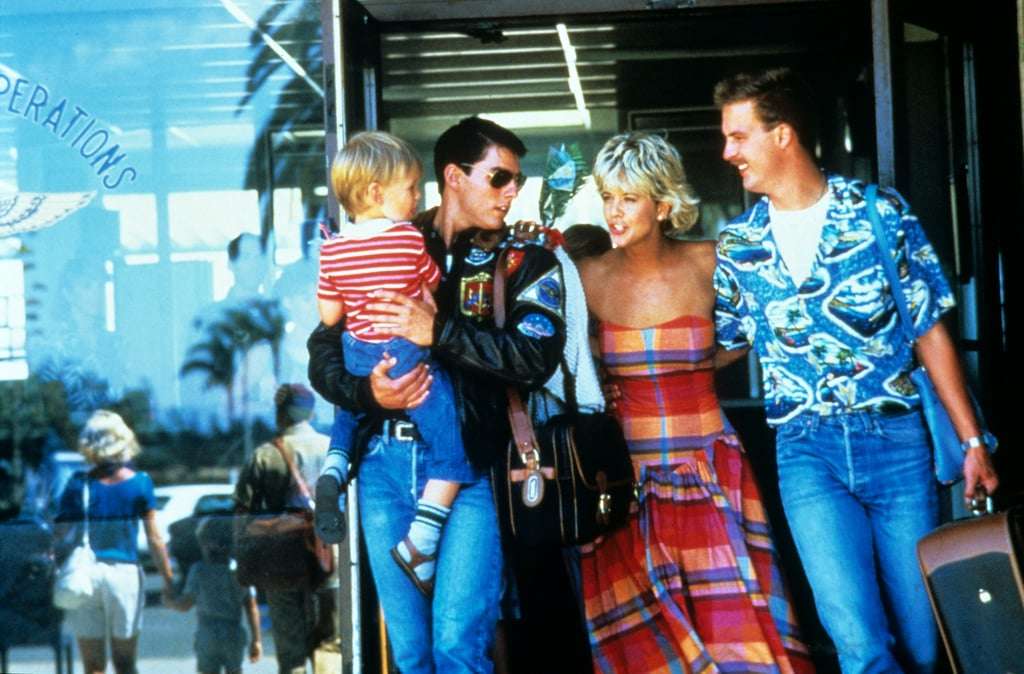
Before Top Gun, military aviation was largely a niche interest outside enthusiast circles.
After the film's release, aircraft books, model kits, air shows and aviation museums all saw increased interest. Countless pilots and aviation enthusiasts cite the film as the moment they first became fascinated by flight.
Forty years later, the aircraft featured in Top Gun remain among the most popular subjects for collectors around the world.
The Legacy Continues: From the Tomcat to the Super Hornet
While the original film will always be synonymous with the F-14 Tomcat, Top Gun: Maverick introduced a new generation of fans to another naval aviation icon: the Boeing F/A-18E Super Hornet.
Unlike the original film, which relied heavily on Tomcats, the sequel featured the Super Hornet as its primary aircraft. The Navy's current frontline carrier-based fighter proved every bit as impressive on screen, demonstrating the extraordinary performance and versatility of modern naval aviation.
The Super Hornet's starring role helped ensure that Top Gun remained relevant to a new generation while maintaining its strong ties to authentic military aviation.
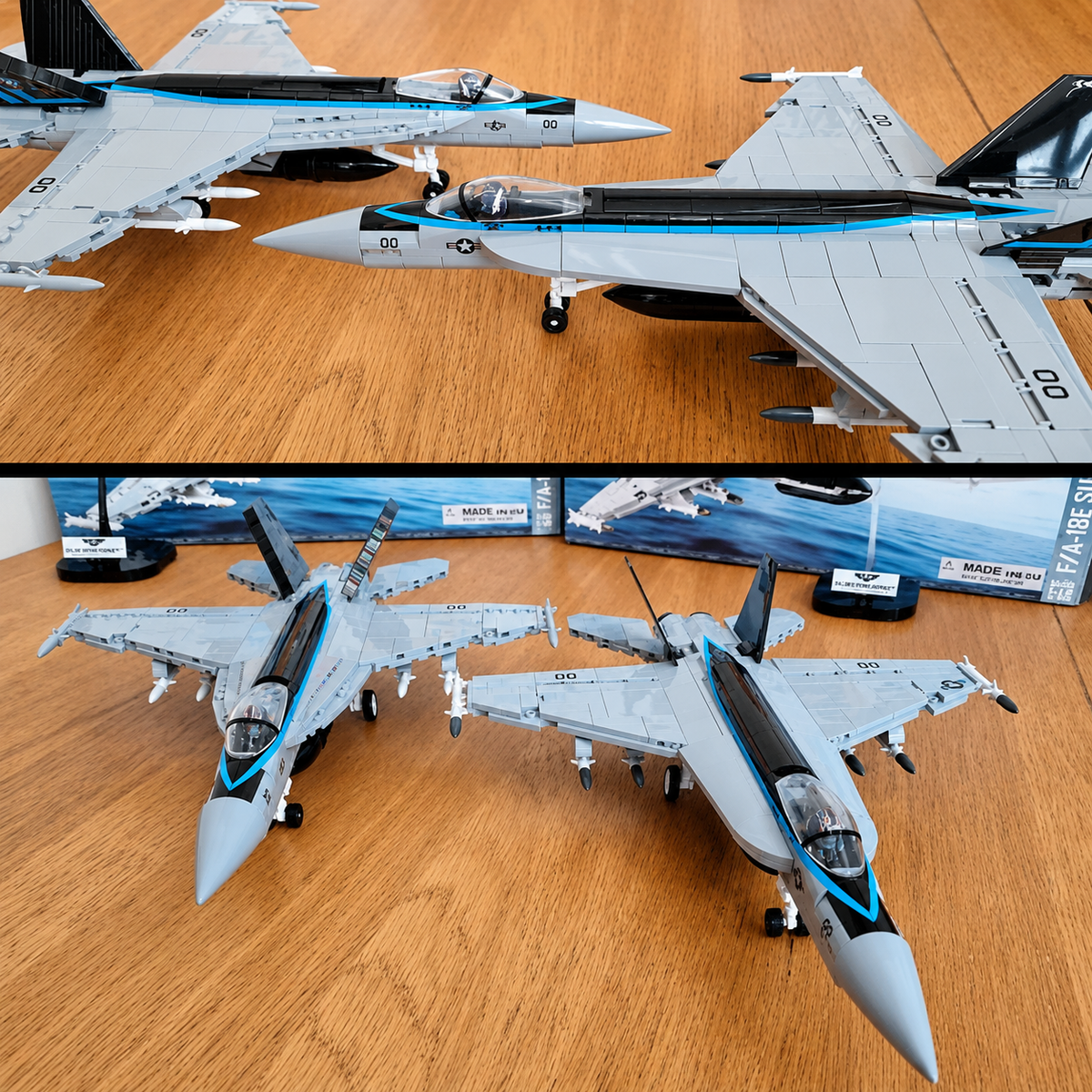
Pictured above: comparison of COBI-5805 (discontinued) and updated version COBI-5805A. Image credit: Karl C.
Tom Cruise's Personal P-51 Mustang
One of the most memorable aircraft featured in Top Gun: Maverick wasn't a jet at all.
The beautifully restored North American P-51D Mustang seen in the film actually belongs to Tom Cruise.
Cruise, an accomplished pilot in real life, owns a meticulously restored Mustang named Kiss Me Kate. Built during the Second World War, the P-51 is widely regarded as one of the finest piston-engined fighters ever produced and played a vital role in achieving Allied air superiority over Europe.
Its appearance in the film served as a reminder that aviation history stretches far beyond modern jets and that classic warbirds remain every bit as inspiring as today's fighters.
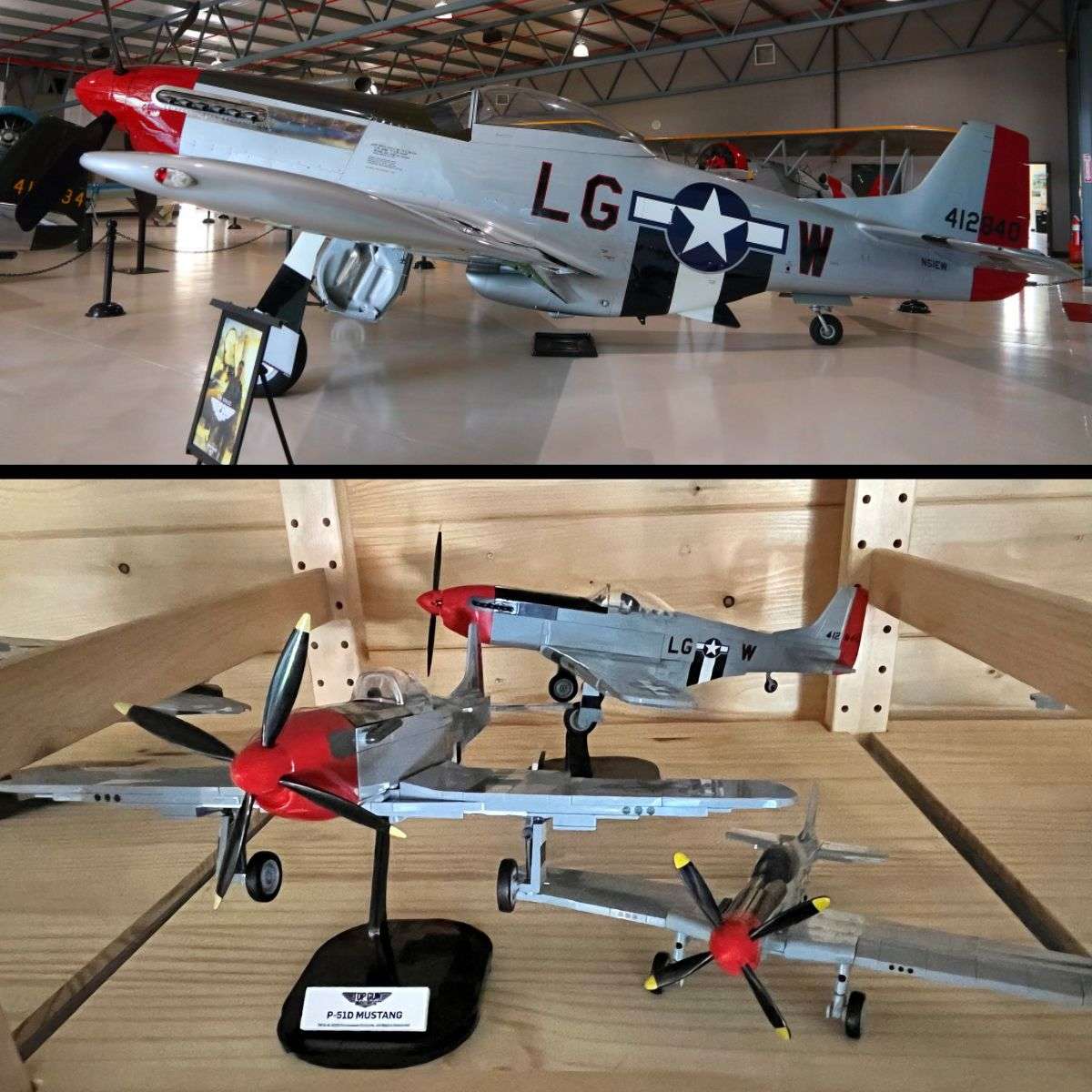
Pictured above: The original aircraft. COBI models from left to right: COBI-5806 (discontinued), COBI-5846 (1:32 scale), COBI-5847 (1:48 scale). Photo credit: Chris M.
The Su-57 Felon: Hollywood's New Villain
Just as the fictional MiG-28 provided a mysterious adversary in the original film, Top Gun: Maverick introduced audiences to a fifth-generation threat inspired by Russia's Sukhoi Su-57 Felon.
While the aircraft featured in the film was a fictionalised version created for cinematic purposes, it was clearly based on the real-world Su-57, Russia's advanced stealth fighter.
The inclusion of a modern adversary helped bring Top Gun into the 21st century while continuing the franchise tradition of pitting America's finest naval aviators against cutting-edge enemy aircraft.
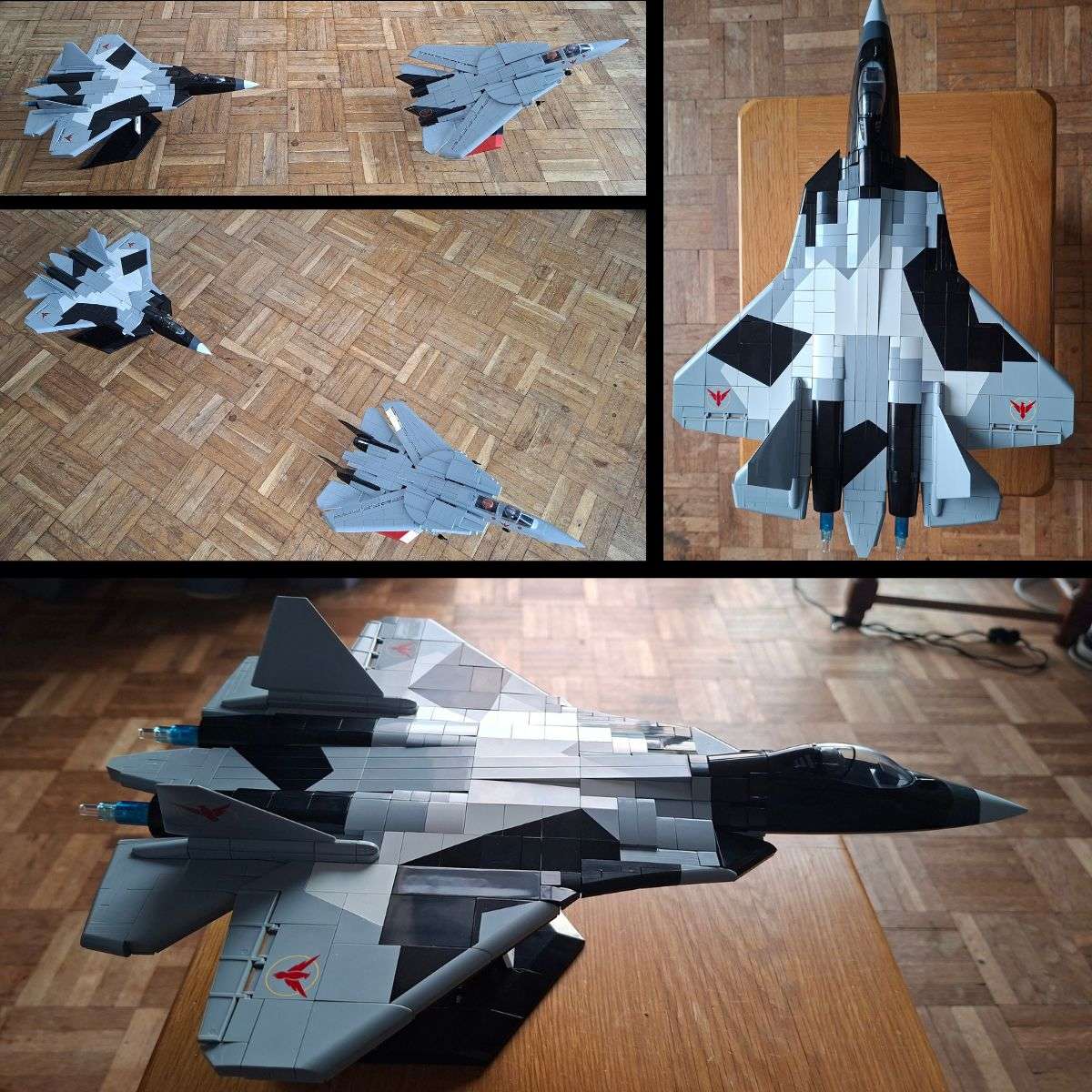
Photo credit: Mark C.
USS Enterprise: The Carrier Behind the Legend
No discussion of Top Gun would be complete without mentioning the legendary USS Enterprise (CVN-65).
Nicknamed "The Big E", USS Enterprise was the world's first nuclear-powered aircraft carrier and one of the most famous warships ever built. Several scenes from the original 1986 film were filmed aboard the carrier, helping create some of the most iconic moments in aviation cinema.
Commissioned in 1961 and serving for more than 50 years before her decommissioning in 2017, Enterprise became a symbol of American naval power and carrier aviation.
For many fans, she is every bit as important to the Top Gun story as the aircraft themselves.
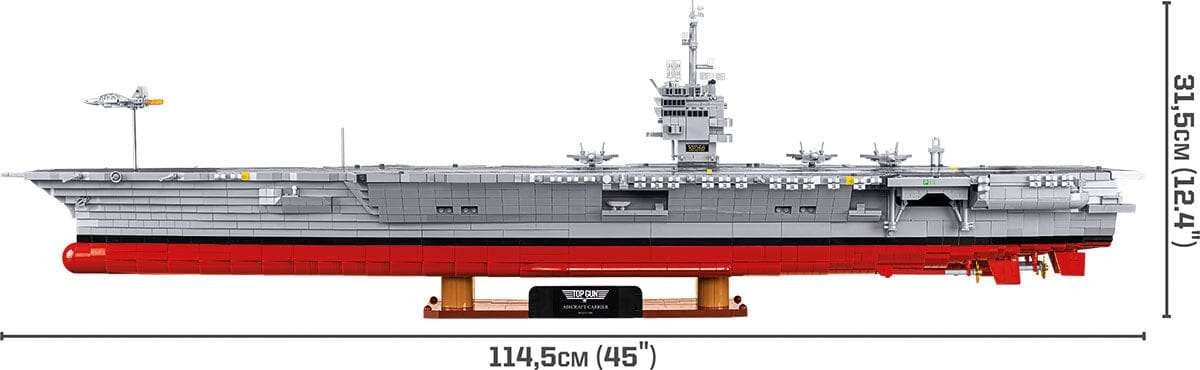
Among the latest releases is COBI's impressive USS Enterprise (CVN-65), a detailed 6130 piece brick model with interior of the famous aircraft carrier that helped bring Top Gun to life on the big screen. With stock due to arrive early next week, it is already generating considerable intererst beyond our usual BrickTanks community.
Key features of the set:
A ship model consisting of 6,130 pieces.
1:300 Scale.
Over 114 cm in length.
Liftable Decks - one of the most impressive features of
the set. You can lift sections of the flight deck platform to reveal
the lower decks of the aircraft carrier beneath.
the set. You can lift sections of the flight deck platform to reveal
the lower decks of the aircraft carrier beneath.
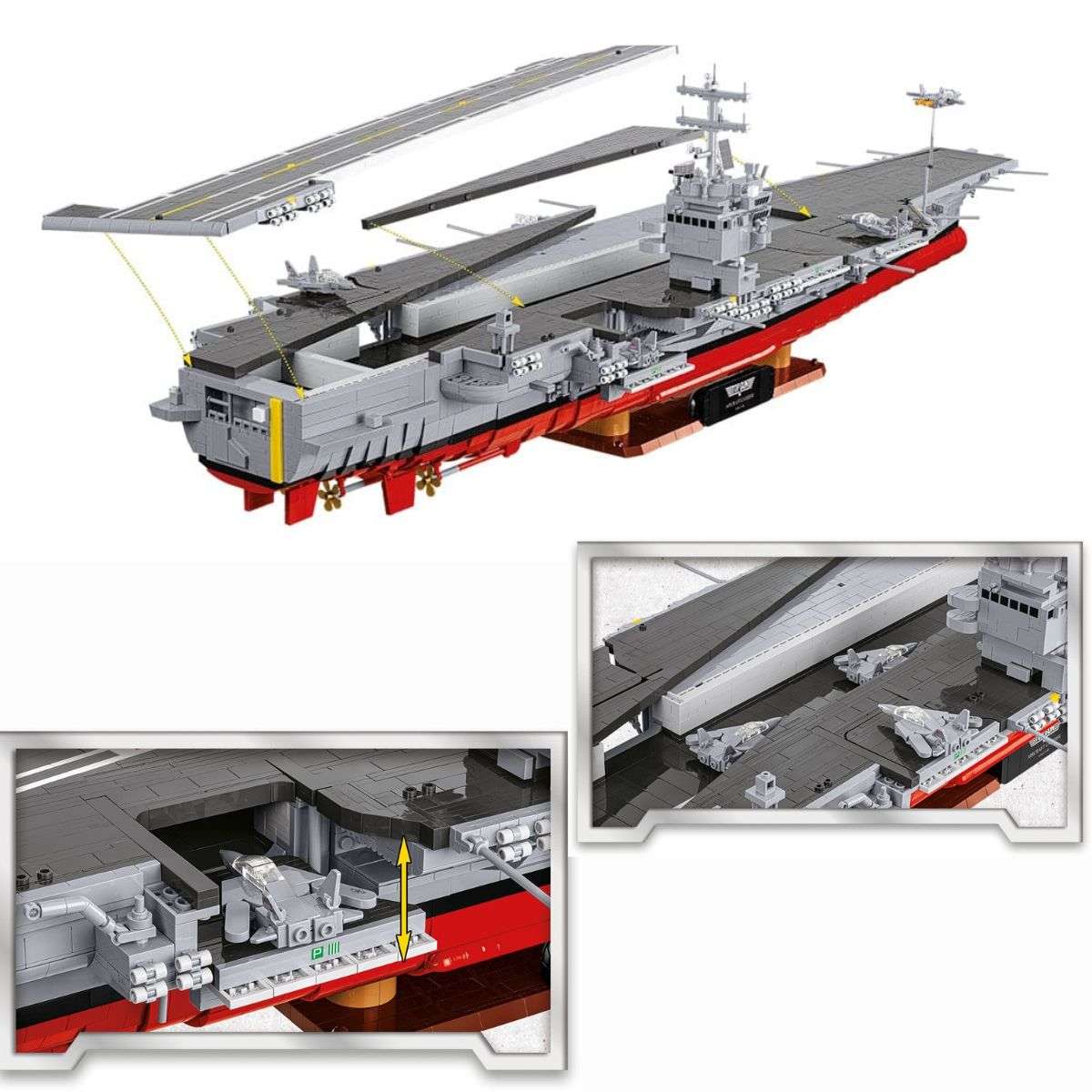
Elevators - a fascinating design feature: movable aircraft elevators that can be raised and lowered.
Miniature Fighter Jets - the set includes x4 micro-scale aircraft, ready to be positioned both on and below the deck. They allow you to create realistic and dynamic scenes inspired by the movie.
Miniature Fighter Jets - the set includes x4 micro-scale aircraft, ready to be positioned both on and below the deck. They allow you to create realistic and dynamic scenes inspired by the movie.
Bringing Top Gun History Home
As we celebrate the 40th Anniversary of Top Gun, aviation enthusiasts can now recreate some of these legendary aircraft and ships in brick form.
Whether your passion is the F-14 Tomcat, the F/A-18E Super Hornet, Tom Cruise's P-51 Mustang or the mighty USS Enterprise, these models offer a tangible connection to some of the most iconic machines in aviation history.
Forty years on, one thing is certain:
We still feel the need... the need for speed.
Finally, click on the button below to check out our latest YouTube short of the fantastic Top Gun F-14 Tomcat model in action. Video created by @lego_men_explore.